CD Logo2 white
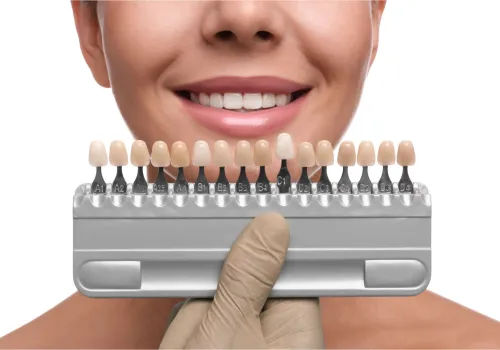
Portrait einer jungen lächelnden brünetten Frau, mit schönen weissen Zähnen. Der Hintergrund ist beige.

Embellish teeth Laser dentistry The gentle way

Using innovative laser technology, we carry out treatments without direct contact with your teeth or gums. The laser technique is not only gentle, but also gentle and is recommended for paediatric treatments and patients taking blood-thinning medication.

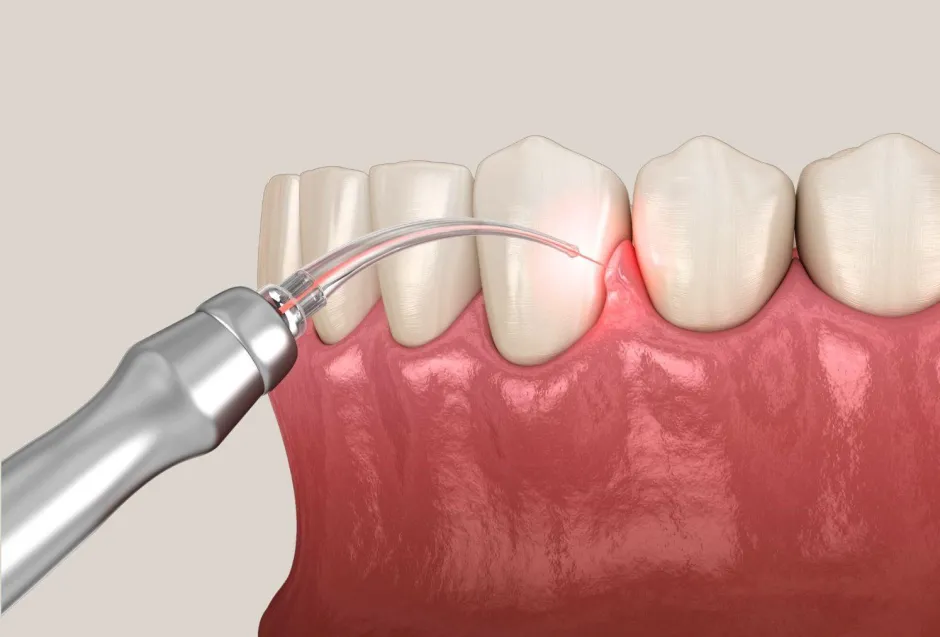
Visualisierung eines Zahnmodells mit darauf gerichteter aktivierter Laserfaser. Der Hintergrund ist beige.

When

Treatment with laser light is a modern and particularly gentle method in dentistry that is used in many areas. It enables precise and pain-reduced treatment, often without any mechanical instruments.

A typical area of application is periodontal treatment with laser: bacteria in the gum pockets can be killed in a targeted and effective manner without mechanically stressing the tissue. At the same time, the root surface is decontaminated, which supports healing and stops the progression of the disease.

The dental laser also offers clear advantages in the field of aesthetic dentistry. For example, the gums can be finely modelled or gently reduced with the laser - for example in surgical procedures such as gum correction for a gummy smile or teeth that are visually too short. The treatment is usually painless, minimises bleeding and ensures particularly precise results.

How

As with any other dental treatment, the patient is usually given a local anaesthetic during laser treatment in dentistry. This means that the procedure can be carried out painlessly and particularly comfortably - without the typical unpleasant drilling noises. This type of treatment is therefore especially recommended for children.

A major advantage of dental treatment with laser light is that the laser light immediately closes the blood vessels. In most cases, this makes the procedure virtually haemorrhage-free. This gentle method is therefore particularly suitable for patients who are taking blood-thinning medication. There are few to no post-operative complications, which additionally supports healing and makes the entire course of treatment safer.

Costs

The cost of treatment depends on the type and extent of treatment required. The services may vary depending on the individual findings. Therefore, after the initial examination, we will be happy to provide you with a customised quote that clearly lists all treatment steps and cost items.

You can also use our current price list for paediatric dentistry for an initial guide to treatment for children. This will give you an overview of possible treatment costs before your appointment.

CITYDENTAL BILDWELT 1873

FAQ: The most frequently asked questions about Laser dentistry

Many people who hear about laser treatment at the dentist for the first time wonder whether the procedure is painful. The short answer is: in most cases, no - on the contrary, dental lasers are known for making treatments particularly painless.

The laser works with concentrated light that precisely processes tissue without generating mechanical pressure or vibrations. It is precisely these stimuli that cause pain and discomfort with conventional drilling or cutting. As the laser eliminates these stimuli, many patients find the treatment much more pleasant than conventional methods.

Depending on the type of treatment and individual sensitivity, a local anaesthetic is also used so that the procedure is completely pain-free. The combination of laser and local anaesthetic ensures maximum comfort, especially in sensitive areas such as the gums.

Another advantage: as the laser immediately closes the blood vessels when cutting and also has a disinfectant effect, the post-treatment phase is also much more pleasant. Swelling, pain and inflammation after the procedure are less frequent and less pronounced than with conventional surgical methods.

Laser treatment is therefore a particularly recommendable alternative for people with dental anxiety or a low pain threshold. Children also benefit from this gentle method, as there is no need for the typical drilling and the treatment is calmer and more pleasant.

Overall, laser treatment in dentistry is one of the most patient-friendly methods available today - with minimal discomfort during and after the procedure.

In modern laser dentistry, various types of lasers are used, which differ in their wavelength and operating principle. The dentist selects the appropriate type of laser depending on the treatment objective.

The diode laser is one of the most commonly used lasers in dental practices. It works with a wavelength in the infrared range and is used particularly frequently for soft tissue treatments - such as gum corrections, the treatment of aphthae or the decontamination of periodontal pockets in periodontitis.

The Er:YAG laser (erbium laser) is particularly suitable for hard tissue treatment, i.e. for dental and bone tissue. In certain cases, it can replace the drill and is used to remove caries or prepare cavities. Its precision and gentle effect on the surrounding tissue make it particularly valuable.

The Nd:YAG laser (neodymium laser) penetrates deeper into the tissue and is used in periodontology and for the treatment of deep periodontal pockets. It also has a strong bactericidal effect and helps to kill germs in hard-to-reach areas.

The CO2 laser is mainly used for soft tissue procedures. It is particularly precise and ensures excellent haemostasis. In aesthetic dentistry, it is used for gingivoplasty (gum shaping).

Choosing the right laser is crucial to the success of the treatment. In modern dental practices, several types of laser are often available so that the optimum tool can be used for each clinical situation.

The question of whether lasers can remove caries is being asked by more and more patients in Switzerland - and the answer is: yes, in many cases it is possible. The use of dental lasers to remove caries is a modern alternative to the classic drill and is becoming increasingly important.

The Er:YAG laser (erbium laser) in particular has proven itself for the removal of carious tooth tissue. It can selectively remove diseased hard dental tissue without damaging the healthy surrounding tissue. This enables treatment that is particularly gentle on the tooth substance, as only the really diseased tissue is removed.

A major advantage over the drill is that the laser does not generate any vibrations or mechanical pressure. As a result, many patients find the treatment much more pleasant - and in some cases even pain-free without anaesthetic. The laser is a particularly good option for small to medium-sized caries lesions.

The laser also has a disinfecting effect: it kills bacteria in the treated area, which reduces the risk of caries developing again in the same place. This is a clear advantage over mechanical caries removal.

However, the laser also has its limitations: In the case of very deep or extensive caries that comes close to the nerve, or in areas that are difficult to access, the classic drill may still be necessary. The decision as to whether laser treatment is suitable is made by the dentist after careful examination of the findings.

Drill-free caries treatment with laser is a particularly recommendable option for children and anxious patients, as the treatment process is calmer and more pleasant.

The duration of a laser treatment at the dentist depends greatly on the type and extent of the procedure. In general, however, many laser-assisted treatments are faster than comparable conventional procedures - and that is one of their great advantages.

For smaller procedures such as the treatment of aphthae, the removal of a small amount of mucosa or the decontamination of individual gum pockets, the actual laser treatment often only takes a few minutes. In such cases, the entire visit to the practice, including preparation and follow-up checks, can be completed in 30 to 45 minutes.

More extensive procedures such as periodontal treatment with laser over several teeth or gum correction naturally require more time. Depending on the extent of the treated area, such a session can take between 60 and 90 minutes. Periodontal treatment is often carried out in several sessions in order to treat the entire mouth step by step.

One time advantage of the laser is that it cuts, disinfects and haemostatic at the same time. This eliminates the need for separate steps that would be necessary with conventional surgical procedures. The healing time after the procedure is also generally shorter, as the surrounding tissue is subjected to less stress.

The dentist will tell you the exact duration of treatment after the initial examination and the creation of a customised treatment plan. This means you know in advance what to expect and can plan your appointment accordingly.

Laser dentistry for children is a topic that parents are increasingly concerned about - and for good reason. For young patients in particular, dental lasers offer special advantages that can make a visit to the dentist much more pleasant.

Children often react with fear to the typical drill - be it because of the noise, the vibrations or the pressure that the instrument creates in the mouth. The dental laser eliminates all these unpleasant stimuli: it works silently, without mechanical contact and without vibrations. As a result, many children experience the treatment as significantly less stressful and co-operate better.

In many cases, laser caries treatment in children can even be carried out without an anaesthetic injection, as the treatment causes little to no pain. This is an enormous advantage, especially for small children, as the fear of the injection is often greater than the fear of the actual treatment.

The laser is also very suitable for children for gum treatments, aphthae or small soft tissue procedures. As it closes the blood vessels immediately, the procedure involves virtually no bleeding, which frightens children less and makes the treatment calmer.

The laser is even particularly recommendedfor children with an increased tendency to bleed or those who have to take blood-thinning medication. It is important that the dentist clarifies whether the laser is the best option for each individual treatment. In a sensitive paediatric practice, the laser can help to create a positive experience at the dentist - and thus lay the foundation for lifelong oral health.

Like any medical treatment, laser treatment in dentistry is not completely risk-free - but it is considered one of the safest and gentlest methods available in modern dental practice. If it is carried out by an experienced dentist with the appropriate training, serious complications are very rare.

Possible but rare side effects include slight swelling or a temporary feeling of warmth in the treated area. These usually subside within a few days. In individual cases, there may be temporary sensitivity of the treated tissue.

Eye protection is an important aspect: the laser beam can damage the eyes if it comes into direct contact with them. For this reason, both the dentist and the patient wear special protective goggles during the entire treatment. This is a standardised safety protocol that is strictly adhered to in every reputable practice.

Incorrect treatment due to improper use of the laser - such as incorrect power settings or the wrong angle of application - can lead to tissue damage in exceptional cases. This emphasises the importance of the dentist's sound training and experience in handling laser devices.

Compared to conventional surgical methods, the risks of laser treatment are significantly lower overall: less bleeding, less post-operative pain, lower risk of infection and faster healing. For most patients, the benefits far outweigh the minimal risks.

Yes, laser treatment for oral mucosal diseases is an important and growing area of application in modern dentistry. Various diseases and complaints of the oral mucosa can be treated effectively, quickly and gently using lasers.

The best known is the treatment of aphthae with laser: aphthae are painful small ulcers on the oral mucosa that can significantly impair eating, speaking and swallowing. The laser disinfects the affected area, reduces the inflammation and relieves the pain in a very short time. Many patients report a noticeable reduction in discomfort immediately after laser treatment.

Herpes blisters (cold sores) can also be treated with the laser. If used early - preferably as soon as the first tingling sensation occurs - the laser can prevent the blisters from breaking out or significantly accelerate healing.

Fibromas and other benign soft tissue changes in the oral cavity caused by chronic irritation can be removed precisely and with virtually no bleeding using the laser. The procedure is outpatient, quick and in most cases requires no or only minimal anaesthesia.

The laser can also be used for pigmented mucosal changes, the so-called gingival depigmentation procedure (removal of dark spots on the gums). The result is aesthetically pleasing and the treatment has few complications. The laser is therefore a versatile instrument for the health and aesthetics of the entire oral cavity.

In most cases, preparing for laser treatment at the dentist is uncomplicated and hardly differs from preparing for conventional dental treatment. Nevertheless, there are a few points that you should consider in advance.

Firstly, it is important to fully inform your dentist about your medical history. This includes current medications (especially blood-thinning agents), known allergies, chronic illnesses and previous reactions to dental treatment. This information helps the dentist to optimise the laser treatment for you.

Before the treatment, you should brush your teeth thoroughly and ensure good oral hygiene. A clean oral cavity makes the dentist's work easier and minimises the risk of complications.

If a local anaesthetic is planned, it is advisable to eat lightly beforehand - this will prevent you from accidentally biting your cheek or tongue while eating after the treatment if the numbness persists. Heavy meals just before the appointment are not ideal, especially if you are sensitive to stress.

Allow plenty of time after your appointment. Although most laser treatments are outpatient and uncomplicated, you should not plan any physically strenuous activities immediately afterwards. In rare cases, a slight feeling of warmth or minimal swelling may occur.

Feel free to ask your dentist in advance whether there are any specific behavioural recommendations for your specific treatment. The better prepared you are, the more relaxed and successful the procedure will be.


Aftercare following laser treatment at the dentist is generally uncomplicated - another advantage of this modern treatment method. Nevertheless, there are some recommendations that you should follow in the hours and days after the procedure to support healing and ensure the result.

Immediately after the treatment, you should avoid spicy, hot or very acidic foods and drinks, as the treated tissue is more sensitive than usual. Lukewarm and soft foods are recommended for the first 24 to 48 hours. Alcohol and tobacco should also be avoided during this time, as both slow down the healing process.

Oral hygiene should also be maintained after treatment - but with caution. You should clean the treated area particularly gently in the first few days, for example with a soft toothbrush. Your dentist can recommend whether and which mouthwash is suitable to support the healing process and keep bacteria away.

Slight swelling or a feeling of warmth in the treated area is normal and usually subsides within a few days. If severe pain, swelling or persistent bleeding occurs, contact your dental practice immediately.

In the case of gum surgery, we recommend a check-up after a few days or weeks to assess the healing progress. Be sure to keep these follow-up appointments, as this is the only way to ensure the long-term success of the treatment. Overall, aftercare after laser treatment is significantly less time-consuming than after conventional surgical procedures thanks to the gentle method.

The question of whether the costs of laser dentistry are covered by health insurance in Switzerland is one that concerns many patients. The answer is differentiated and depends both on the type of treatment and the respective insurance model.

Compulsory health insurance (basic insurance / KVG) in Switzerland generally only covers very few dental services - regardless of whether they are carried out with a laser or conventionally. Exceptions include dental treatment due to a serious general illness or treatment following an accident, which is covered by accident insurance.

For the majority of laser treatments - be it periodontal treatment, gum correction, aphthae treatment or aesthetic procedures - the costs are generally not covered by basic insurance. They are billed directly to the patient.

Depending on the provider and contract,supplementary dental insurance may cover part of the costs of dental treatment - including laser treatment. It is worth checking the policy conditions carefully and, if necessary, asking your health insurance provider directly what services are covered. Some supplementary insurance policies cover dental treatment up to a certain percentage or amount per year.

To avoid any nasty surprises when you receive your bill, it is advisable to obtain a quote from the dentist before treatment and submit it to the insurance company for pre-authorisation. This way you know in advance what costs you will incur and to what extent they are covered.