CD Logo2 white
Slide implantate

Replace teeth Implants High-quality dentures for natural teeth

Thanks to state-of-the-art technology and many years of experience, we can safely and securely replace missing teeth with implants. This enables us to give you a radiant smile. Let us advise you personally and find out more about the possibilities of dental implants.

Implantate 9

When are dental implants used?

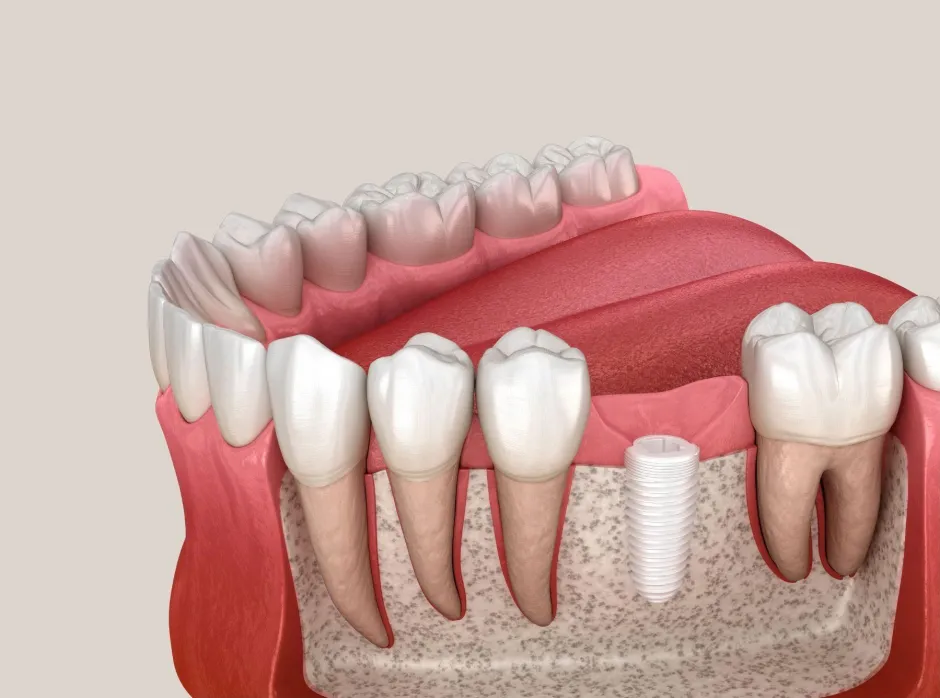
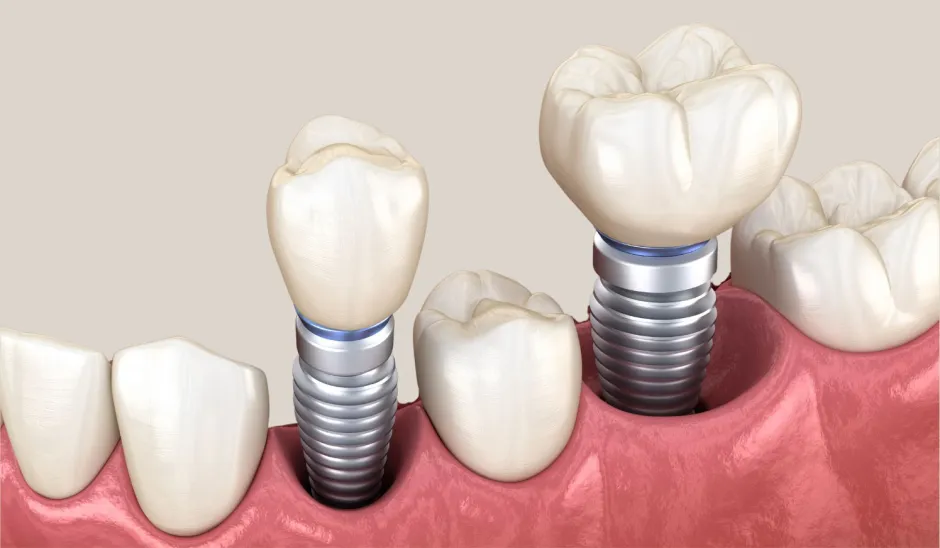
Dental implants are an important part of implantology. They are used when a tooth is so badly damaged that it can no longer be saved or when there has been a gap between teeth for a long time. With a dental implant, we can replace a natural tooth almost perfectly in terms of function and appearance when used correctly.

What material is used for dental implants?

Nowadays,dental implants are made of high-quality zirconium oxide ceramic or high-purity titanium oxide. The latter is not only used for dental implants, but also for knee and hip prostheses.

Both materials are extremely biocompatible, highly resilient and extremely well tolerated, which makes them ideal for fixed dentures.

In our practice, we use dental implants from the world market leader Straumann and Nobel Biocare as well as the innovative 2-part Zeramex all-ceramic system from the Zurich-based company Dentalpoint. Dentalpoint is a pioneer in the field of ceramic implants.

The implant manufacturers offer a minimum 20-year replacement guarantee on all parts of the dental implant, so that in the event of an accident or damage to implant abutment parts, restoration with original parts is guaranteed.

Further interesting information on our implant systems can be found below.

What costs will I incur for an implant?

The total cost of a dental implant varies between CHF 2,900 and CHF 5,500 depending on the brand, position in the jaw, condition of the jawbone and the bone situation. The price is also influenced by the implant system used. As a rule, a single implant can be realised for CHF 2,900 to 4,000, depending on the implant system selected, if the bone supply is optimal.

In addition, the following costs may be incurred depending on the degree of degradation of the jawbone, the bone quality and the patient's wishes:

  • Costs for a temporary denture during the healing phase of the implant (not always necessary).
  • Costs for bone augmentation if the existing jawbone is not sufficiently stable to insert the implant with primary stability.

These factors lead to varying total costs. In our practice, we offer implant systems in various price categories so that an implant is accessible to everyone and does not have to remain a wish.

Implantate 8

Costs incl. crown, excl. bone augmentation

Best Price
from CHF 2'990.-

DaVinci implant (Straumann Bonelevel Analogue),
incl. laboratory-made crown

Best Value
from CHF 4'290.-

Straumann Bonelevel SLActive implant,
incl. lab-fabricated crown (CH)

High End
from CHF 4'890.-

Zeramex P6 all-ceramic implant, completely metal-free,
incl. laboratory-made all-ceramic crown (CH)

FAQ: The most frequently asked questions about Implants

Before an implant treatment can be carried out, some preliminary examinations and often also pre-treatment by the dentist are necessary. This is usually the case if several teeth or even an edentulous jaw needs to be restored. Under certain circumstances, dental implants can also be treated directly without the need for extensive preliminary examinations.

The treatment procedure for dental implants includes the following points:

Preliminary examination of the fixed teeth, bone augmentation and the jawbone:

  • Detailed discussion of the patient's medical history and analysis of the missing teeth
  • General examination of the jaw
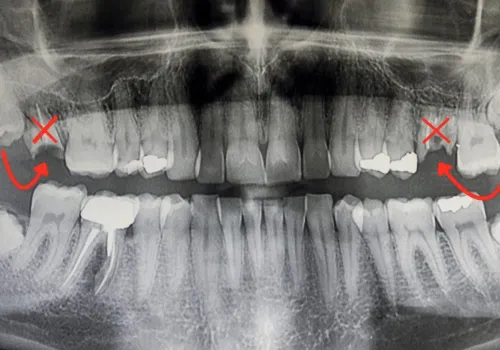
  • X-ray images of the jaw and skull
  • Advice on individual treatment options and dental implant systems

A healthy oral cavity and healthy gums are the prerequisites for high-quality implantation and long-term success. Individualised pre-treatment may therefore be necessary in some cases.

Pre-treatment of damaged areas:

  • Treatment of teeth affected by caries
  • Removal of tooth roots and teeth that are not worth preserving
  • Treatment of the gums in the case of periodontitis
  • Fabrication of a temporary denture
  • Bone augmentation in cases of bone atrophy for sufficient bone supply
  • Planning the treatment of dental implants through implantology

Implantation of the new teeth:

  • Local anaesthesia
  • Opening of the oral mucosa and insertion of the implant screw into the jaw
  • Fitting a cover cap for closed healing
  • Taking an impression for the fabrication of the temporary dental crown
  • Insertion of the temporary denture

The best prerequisite for successful implantation and a flawless treatment procedure is a healthy oral cavity. In implantology, the dentist must have successfully treated the diseased teeth or inflammation of the periodontium (periodontitis) before placing the implant. In order for the implant to heal without complications, the patient must maintain good oral hygiene.

However, healing can also be impaired by premature or unexpected loading. This can be the case, for example, with unconscious grinding or clenching of the teeth (bruxism).

Other risk factors that can interfere with the healing of implants are general diseases such as poorly controlled diabetes. If general illnesses are present, close consultation with the family doctor should therefore take place.

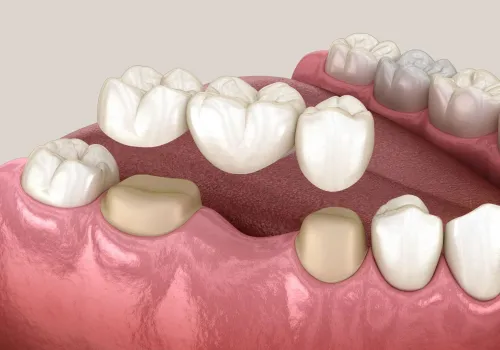
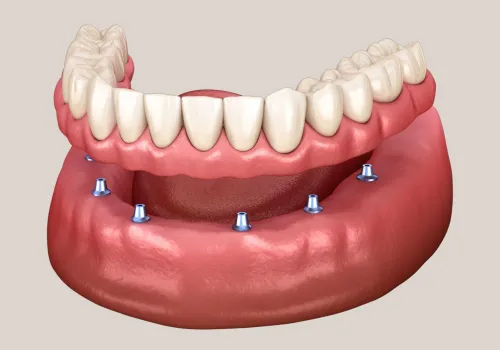
Regular check-ups at the dentist are important after implantation. This allows the dentist to check whether the artificial tooth root is healing well. After about three months, the implant should be so firmly fused into the bone that it can be loaded. The dentist then takes an impression of the jaw using various methods. The impression or scan serves as a template for the dental technician to select a suitable shape for the implant abutment and then manufacture the desired dental prosthesis individually for the patient. The fabrication of implant-supported crowns, bridges and prostheses (superstructures) also requires special knowledge and skills from the dental laboratory as well as well thought-out planning.

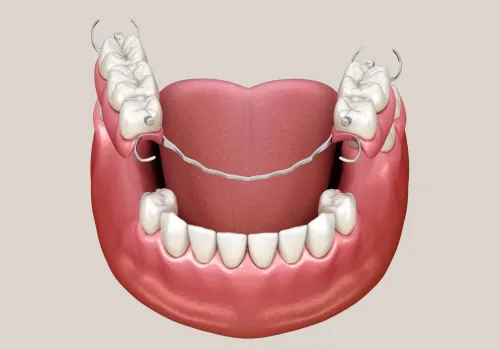
It is important that the dentist and dental technician continue to liaise closely even after the prosthesis has been fitted. The fit of the removable dentures in particular must be checked by the dentist. If the jawbone recedes and the prosthesis loses its original hold, the dentist will take a so-called relining impression, for example. The dental technician then adapts the denture base to the oral situation and restores the hold of the denture. Further information can also be found on the website of the Implant Foundation Switzerland.

As a rule, over 90 per cent of artificial tooth roots heal successfully. However, smoking makes healing much more difficult. On average, the risk of losing a dental implant is twice as high for smokers than for non-smokers. The risk increases with increasing nicotine consumption. Up to a third of implants can be lost in heavy smokers. This is due to the poorer wound healing caused by smoking. The risk of faster and more severe degradation of the jawbone in the vicinity of implants is also significantly higher in smokers. This can lead to premature loss of the implant. Smokers should therefore give up the blue vapour before an implant has to be placed.

Depending on the individual risk of disease, regular, professional dental cleanings are of central importance for the success of an implantation. The dentist or a specially trained member of staff in our practice shows the patient how to clean and care for implants correctly as part of oral hygiene training. The transition between the implant and gums in particular must remain free of bacterial plaque. Otherwise there is a risk of peri-implantitis, an inflammation around the artificial tooth root. In the worst case scenario, the dentist will then have to remove the implant.

It is therefore important to clean interdental spaces and the area around dental implants particularly thoroughly. Dental floss and special interdental brushes should be used daily.

"If artificial dentures are not cared for properly, bacteria can adhere to the implant abutment, migrate downwards along it and cause inflammation of the gums," explains Prof Dr Hans-Christoph Lauer, Director of the Polyclinic for Dental Prosthetics at the University of Frankfurt am Main. "If the inflammation progresses, it can spread to the bone. Peri-implantitis develops. It is often worse and spreads faster than periodontitis on natural teeth."

This is due to the structure of the implant. The connecting piece protruding from the gum is smooth and easy to clean during daily oral hygiene. However, the part anchored in the bone has threads and a rough surface. If bacteria have penetrated here, it is much more difficult to remove them than on a natural tooth. Peri-implantitis should always be treated as early as possible. Without treatment, the implant may be lost. Further information can also be found on the website of the Swiss Society of Oral Implantology.