CD Logo2 white
Slide prothesen

Replace teeth Prostheses Eat everything again at last

Today's dentures have undergone revolutionary changes and offer far more than the traditional dentures of the past. Thanks to state-of-the-art dental technology and innovative materials, dentures can now be firmly and securely anchoredwith implants, press studs or telescopes. Find out more about how these advanced solutions can improve not only the functionality but also the appearance of your teeth.

Prothesen 1

When

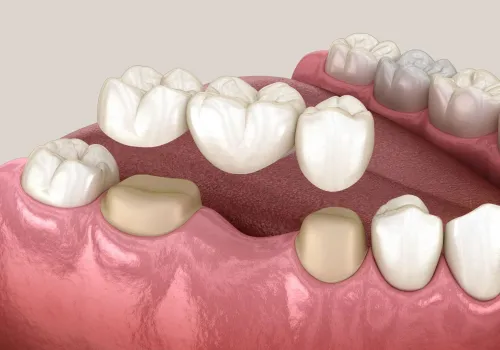
Dentures are mainly used in our practice for patients who have already lost so many teeth that it is no longer possible to make a bridge or other fixed prosthesis.

However, today's dentures are no longer comparable to the dentures of the past. Thanks to state-of-the-art dental technology and high-quality materials, dentures can now be firmly and securely anchored with implants, press studs or telescopes, providing a much better hold than in the past.

Prothesen 2

How

For the fabrication of full dentures, it is crucial to precisely assess the edentulous areas of the jaw and to correctly reconstruct the so-called bite position. This requires close co-operation between the dentist and dental technician. Careful fabrication of the dentures ensures optimum retention and function, while the patient's wishes and needs in terms of aesthetics are always at the centre of our work.

When fitting removable partial dentures, the diseased teeth that are not worth preserving must first be removed. The remaining healthy teeth then serve as anchor teeth for the partial denture. A correct assessment of the life expectancy of these anchor teeth is essential for an accurate prognosis of the new denture.

There are numerous options available today for attaching the denture to the anchor teeth. Dentures can be fitted without visible, aesthetically disruptive elements using press studs, attachments or double crowns.

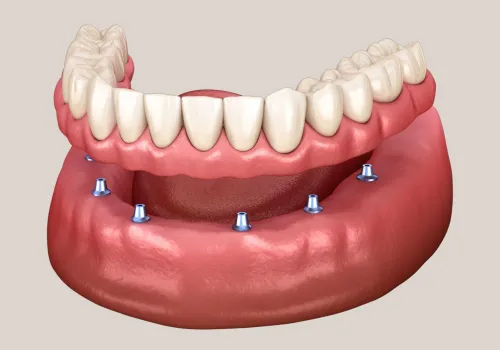
If the existing teeth are not sufficient, additional implants are used as anchor elements for hybrid dentures .

Provisional or definitive

Prostheses can be used both as temporary dentures and as removable or removable dentures to provide a temporary solution until the missing teeth can be reconstructed, usually in a fixed position. If a fixed reconstruction is not desired, dentures can also be made as permanent dentures.

Removable dentures include all types of non-fixed dentures and are divided into full dentures and partial dentures. These prostheses are either attached to the remaining teeth or exclusively to the mucous membrane in the edentulous jaw.

In addition to the classic full and partial dentures, modern prosthetics also offer so-called hybrid dentures. These combination prosthetics are additionally anchored by implants, which improves the retention of the prosthesis and avoids aesthetically restrictive clasps.

If manufactured correctly, dentures can fully restore the chewing function and aesthetics of the remaining teeth and the patient.

Material

Hypoallergenic plastics are mainly used in dentistry.

Today, modern full dentures are made of 100% plastic, while partial dentures often still contain a metal framework to which retaining elements such as press studs or double crowns are attached. However, thanks to veneering with gum-coloured and tooth-coloured acrylic, the metal framework is no longer visible.

At the patient's request, we are happy to produce completely metal-free partial dentures in collaboration with our dental laboratories.

The manufacturing process of a removable denture

1. comprehensive dental consultation and examination

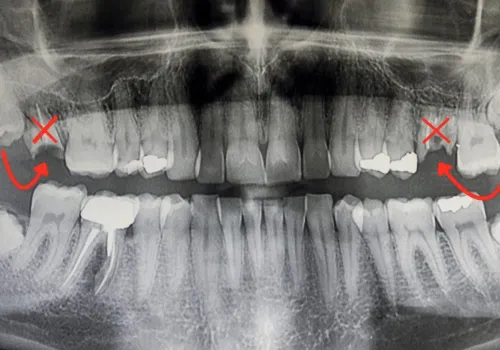
We start with a consultation in which we examine your teeth comprehensively. We often perform a panoramic X-ray to assess the condition of the jawbone and the remaining tooth roots. Based on the findings, we create a customised treatment plan for you. Once we have discussed the treatment plan, the treatment can begin.

2. impression taking

Your dentist at CITYDENTAL® will take an impression of your teeth and alveolar ridge, take pictures of the current situation and help you choose the most suitable tooth colour . The impression will be sent to a modern dental laboratory where a dental technician will start making your dentures.

3. adjustments after try-in of the denture

Before your dentureis finalised , a so-called bite test is usually carried out, depending on the type of denture . This determines the height of the future teeth. Subsequently, if necessary, further try-ins of the tooth set-up are carried out so that you can assess the effect of the denture in your mouth before it is finalised and, if necessary, make any changes.

4. adjustments & finalisation

As soon as the dental laboratory has completed your personalised denture, you will receive a final appointment. At this appointment, the finished prosthesis will be tried on and any further necessary adjustments will be made. It is often necessary to fine-tune the bite to ensure a perfect fit. As soon as the final adjustments have been completed, you will receive your dentures. You will also receive detailed cleaning instructionsso that you can enjoy your new, aesthetic and comfortable dentures for as long as possible .

What types of dentures are there?

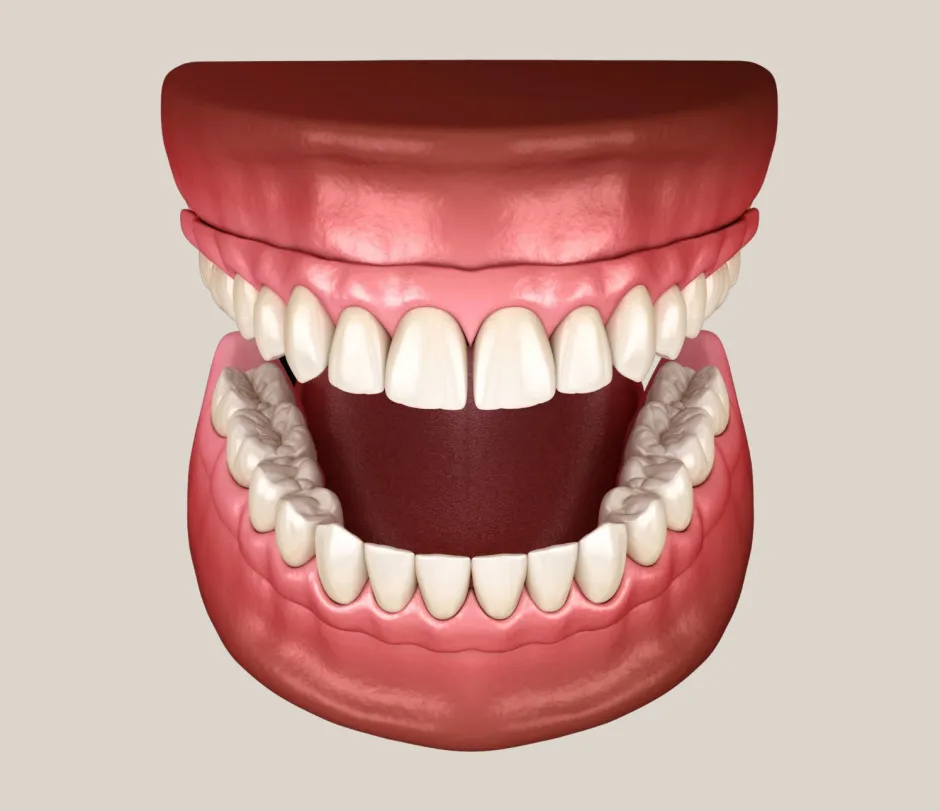
The complete denture - previously often known as a full denture - is a dental prosthesis that we fabricate in cases of complete tooth loss. This prosthesis not only serves as a replacement for the lost teeth, but also replaces the lost gums.

Components of a full denture:

  • Denture base: The base of the denture rests on the gums of the alveolar ridge. Its stability is created by the vacuum effect, the facial muscles, the surface of the alveolar ridge, chewing pressure and gravity. The denture base then transfers the chewing force to the bone. In this way, the denture is modelled as naturally as possible.
  • Artificial gums: The artificial gums follow the base and help to restore the aesthetics of the oral cavity and face.
  • Artificialreplacement teeth: The artificial replacement teeth are built on the artificial gums, restoring both the aesthetics and the chewing function of the patient.

The material:

The complete denture is made from a special, biocompatible plastic, and denture care is important. The denture should always be kept moist so that the special plastic does not dry out and the shape and surface texture of the denture do not change. This is the only way to guarantee that no painful pressure points develop after some time.

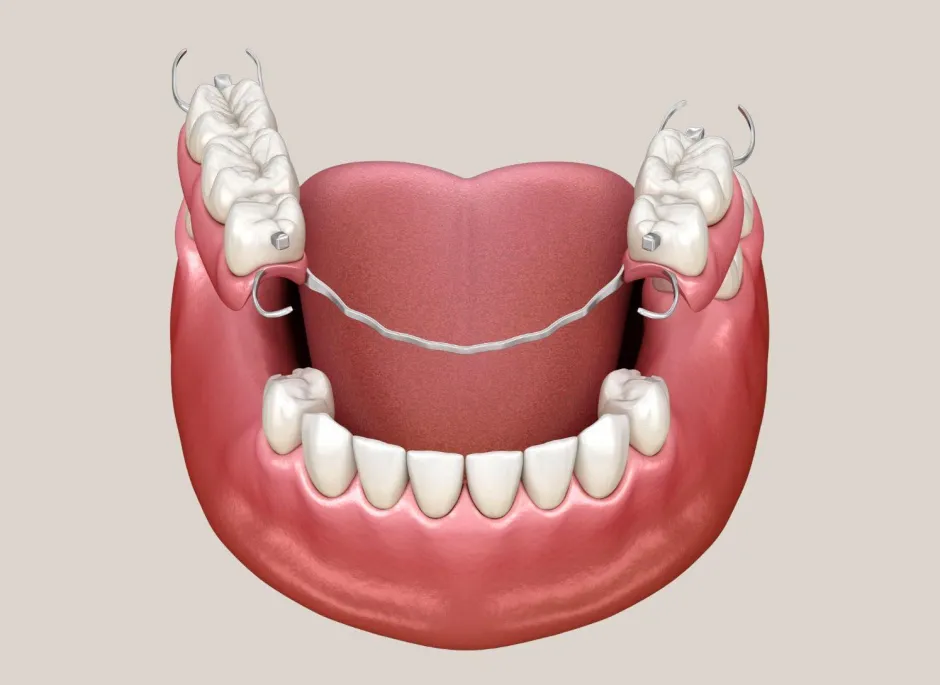
This type of denture is made when the lack of teeth is only partial and not complete, but the number of existing teeth is no longer sufficient for a fixed denture. The partially removable denture requires more space than the natural and remaining teeth, as it replaces not only the teeth but also the gums and jawbone.

Components of a partial denture:

  • Base frame made of biocompatible metal: The base reinforces the set-up teeth and at the same time forms the connection to the existing denture anchor teeth.
  • Artificial gum: The colour of the plastic material resembles the pink colour of the gums. Its task is to attach the artificial teeth to the basic framework.
  • Artificial replacement teeth: They are made of plastic or ceramic and are firmly bonded to the basic framework by polymerisation.
  • Anchoring elements: In our clinic, we use various clasps, press studs (so-called locators or Dalbo anchors) as well as attachments and customised anchoring elements to anchor the dentures.

Overdenture denture, bar denture, implant denture

Our dental centres recommend this type of denture when a patient has lost all or most of their teeth but still wants the comfort and stability of a very tight-fitting denture. This type of denture is often used to replace the lower denture, but can also be used to stabilise upper dentures using implants or bars.

Components of an overdenture prosthesis:

  • 4-6 dental implants per jaw: the artificial tooth root provides additional support for the denture by anchoring it in the bone.
  • Special splint, bar or press stud: These are attached to the implants and form the transition to the denture.
  • Denture base: The base is usually made of gum-coloured, biocompatible plastic. This replaces the lost volume of the jawbone.
  • Artificial replacement teeth: As in all other dentures, the artificial replacement teeth are made of ceramic or a special, very hard, tooth-coloured composite material

These types of dentures are firmly screwed to the implants in the jawbone and represent a special case among dentures. Within one day, fixed bridges are installed on at least 4 implants per jaw under general anaesthetic

The difference between the removable complete denture / partial denture and the removable overdenture dental prosthesis anchored on teeth or dental implants lies in the type of attachment. While the partial or complete denture is only held in place by the anatomical properties of the oral cavity and the vacuum effect between the denture and the gums, the overdenture denture is attached to teeth or implants using retaining elements. This creates more stability and a higher chewing force.

As many patients nowadays prefer the comfort of overdenture dentures with a tighter fit, the number of classic full dentures continues to decrease.

NOTE: Not every jaw is suitable for dental implants. You can find everything on this topic on our information page on dental implants.

Prothesen 2

Costs

Best Price
CHF 2'300.-

Lab-made

Best Value
CHF 3'500.-

Laboratory-made (CH)

High End
CHF 3'950.-
  • With highly aesthetic customised gums
  • Lab-made (CH)

FAQ: The most frequently asked questions about tooth loss & dentures

A missing tooth is not only unaesthetic, but usually causes many other health problems, such as

  • Digestive disorders due to reduced chewing function
  • Tooth elongation: teeth grow out of the jawbone and eventually become loose
  • Difficulties with voice production due to changes in the shape of the oral cavity
  • Deepening of facial wrinkles due to the lack of support of the facial muscles
  • Deterioration of your own well-being: Inhibitions can arise and self-confidence suffers

In general, dentures today have a very natural appearance and come very close to real teeth. They fit better than ever and feel like your own teeth after a certain familiarisation phase.

The main advantage of professional dentures is an optimally functioning, healthy and complete set of teeth. Thanks to the prosthesis, you regain your aesthetic appearance, have a perfect smile again and feel better and more self-confident as a result. You can feel younger again and your well-being improves. Another not insignificant advantage of a dental prosthesis is that you can chew comfortably again and avoid the associated digestive disorders. A well-designed prosthesis can significantly improve your pronunciation and articulation.
The facial wrinkles in the chin and nose area can also be reduced by the volume replacement of the prosthesis.

  • Be patient. You first have to get used to the new feeling of the denture in your mouth and how to insert and remove it. This familiarisation process can take up to 3 months.
  • Increased saliva production may occur in the first few days after insertion.
  • Painful denture pressure points can occur, particularly in the first month, as the alveolar ridge - similar to walking barefoot in summer - first has to get used to the new load situation. If a pressure point occurs, make an appointment as soon as possible to avoid annoying inflammation and pain. We will work with you to resolve the problem as quickly as possible.
  • We recommend eating soft foods at the beginning and chewing on both sides so that the jaw is evenly loaded.
  • Avoid eating hot food and sweets that can stick to your teeth.

As with dental care at home, you should also take enough time to clean your dentures every day. We recommend the following steps to ensure that your dentures remain functional and attractive in the long term:

  1. Remove the dentures from your mouth and rinse them under running water.
  2. Then brush the denture thoroughly with a normal toothbrush or a special denture toothbrush [Link: Shop] to remove food residue from the recesses. You should repeat this cleaning process at least once a day, preferably after every meal.
  3. Don't forget to clean your mouth and gums thoroughly.
  4. If your denture is supported by teeth or implants, you must also use a toothbrush and dental floss or an interdental brush when brushing.
  5. To clean the denture more effectively from plaque, discolouration and bacteria that can lead to gum inflammation, the denture should also be treated with a tablet cleaner once or twice a month. After using a tablet cleaner, the denture should be thoroughly rinsed before the next use. The "Blend-a-Dent Complete" cleaning tablets from Procter & Gamble, for example, are recommended.

The durability of a dental prosthesis is one of the most frequently asked questions by patients who have just had a new prosthesis made or have been wearing a prosthesis for years. The answer depends on the type of denture, the material and the care - but there are clear guidelines.

A well-made and carefully maintained full denture (complete denture) generally has a lifespan of five to ten years. This period may seem short at first, but there is a biological reason for this: the jawbone continuously breaks down after tooth loss - a process known as bone atrophy. As the prosthesis rests on the alveolar ridge, the fit changes over time and the prosthesis no longer fits as precisely as it did immediately after it was made. An ill-fitting denture can cause pressure points, inflammation and discomfort.

Partial dentures generally have a slightly longer lifespan due to their anchoring to remaining teeth or implants - often eight to fifteen years, depending on the condition of the anchor teeth and the quality of care.

Signs that a denture needs to be replaced are: poor fit or constant slipping, pressure points or pain despite attempts at adjustment, visible cracks or fractures in the material, discolouration that can no longer be cleaned, and changes in chewing efficiency or pronunciation.

Regular check-ups at the dentist - at least once a year - are essential in order to assess the condition of the denture and the jawbone at an early stage. Sometimes relining (adapting the base to the altered jaw shape) is all that is needed to ensure that the denture fits correctly again without having to completely remake it.

The question of whether you should or may sleep with dentures is one of the most discussed aspects of everyday life with dentures - and the recommendations of dentists are clear on this issue.

The clear recommendation of most dentists is that dentures should be removed at night. There are several good reasons for this advice. Firstly, the gums need a daily break to recover from the mechanical stress of the denture. If they are removed at night, the oral mucosa can breathe, recover and inflammation can subside.

Secondly, removing the denture at night prevents excessive strain on the jawbone: as the denture rests on the alveolar ridge, it transfers forces to the underlying bone when chewing and grinding. Non-stop loading can accelerate the bone loss that is already taking place.

Thirdly, the night break offers an important hygiene break: bacteria that have accumulated during the day can be effectively combated in the stored denture using cleaning tablets. The prosthesis should be stored overnight in clean water or a cleaning solution - not dry, as otherwise the material can dry out and become deformed.

However, there are exceptional situations: Some patients - especially those with heavy snoring, sleep apnoea or certain orthodontic appliances - also wear certain appliances in their mouth at night on a doctor's recommendation. And anyone who experiences severe discomfort shortly after the initial fitting of a new denture should discuss this with their dentist. As a general rule, however, removing the denture at night is clearly beneficial for the health of the oral mucosa, gums and bones.

The comparison of dentures vs. implants is a decision that concerns many patients - and one that cannot be answered in a generalised way. Both solutions have their justification, their advantages and disadvantages, and the optimal choice depends heavily on the individual situation.

Dentures - whether full or partial dentures - are the traditional, tried-and-tested and more cost-effective solution. They do not require any surgical intervention, can be fitted without a long healing period and are suitable for patients for whom there are medical reasons not to have an operation. The disadvantages are well-known: limited chewing efficiency compared to fixed teeth, possible slipping or pressure, bone loss under the prosthesis and a certain familiarisation period.

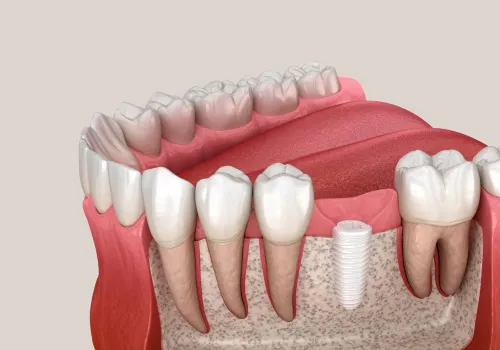
The dental implant, on the other hand, replaces the missing tooth with an artificial root in the jawbone and can be combined with a crown, bridge or denture. It feels like a natural tooth, enables full chewing power, is fixed in place and actively prevents bone loss. Long-term studies show excellent success rates over decades. The disadvantage is the higher price and the surgical procedure, which requires a healing period.

For patients who have lost many or all of their teeth, the hybrid prosthesis (removable prosthesis on implants) or the All-on-4 procedure (fixed bridge on four implants) is an excellent solution that combines the advantages of both worlds: more stability than a classic prosthesis, less effort and cost than a fully implant-retained denture.

The decision should always be made in close consultation with your dentist, who will take your jawbone, your state of health and your personal wishes into account when making an assessment.


For many patients, getting used to a new denture is one of the biggest challenges after insertion. It is important to realise that a certain period of adjustment is completely normal - and that patience is the most important virtue here.

In the first few days and weeks after a new prosthesis is fitted, it is common for the prosthesis to feel strange and unfamiliar. The mouth initially registers every new structure as a foreign body - the tongue, cheeks and lips have to learn to interact with the new denture. In addition, the oral mucosa and the alveolar ridge can react sensitively to the new pressure.

Speaking is often the biggest challenge in the first few weeks: certain sounds - especially S-sounds and sibilants - sound different or unclear at first. This is completely normal. Regularly reading aloud or practising difficult words can speed up the adaptation process. Most patients report that their pronunciation completely normalises after two to four weeks.

Chewing also takes time: start with soft foods and process them evenly on both sides to keep the prosthesis stable. Harder foods can be introduced gradually. After around four to eight weeks, chewing is usually much easier.

The entire familiarisation process can take up to three months, depending on the patient and type of prosthesis. If severe pressure points occur during this time, arrange a follow-up appointment as soon as possible: small adjustments by the dentist can quickly alleviate the discomfort and significantly improve comfort.