Knowledge The 7 most common dental problems in winter and what you can do about them.
You probably know that the dropping temperatures in winter, the biting wind and the dry air can be damaging to your skin. But did you know that it can also put you at an increased risk of developing common dental problems? Read here how to keep your mouth healthy during the winter season and all year round.

Cold sores
These small blisters around the mouth and lips are caused by a virus, but their appearance can be triggered by seasonal ailments such as fevers and colds, as well as cold weather itself. To minimise herpes outbreaks in winter weather, keep your lips and the area around your mouth moisturised and use a lip balm with sunscreen.
Take steps to minimise the entry of bacteria and viruses into your body - wash your hands often, try not to touch your mouth, and don't share items such as eating utensils and towels with someone who may have cold sores.
If you feel cold sores coming on, treat it as soon as possible with over-the-counter medication or talk to your doctor or dentist about treatment options.
Dry mouth
Less moisture in the air can lead to less saliva production, which can make your mouth feel dry. If you actually suffer from dry mouth, dryness in winter can make it worse. Drinking plenty of water can help your body moisturise your mouth. Produce saliva and rinse away food debris, reducing bacteria in your mouth that can lead to tooth decay. You can also try placing a humidifier in your home to increase the humidity in the air
Gum infection
Winter colds and flu can weaken your immune system as it fights off these illnesses. This leaves the door open for bacteria in your gums to grow almost unchecked, leading to gingivitis. Good dental hygiene at home is important to combat the problem. But if your gums are already swollen, bleeding or painful, see your dentist.
Chapped lips
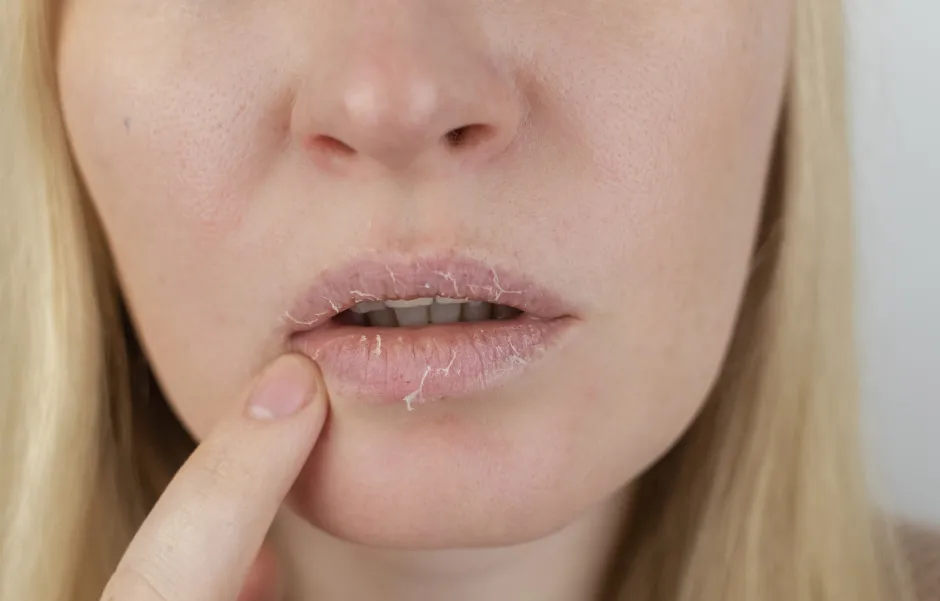
It's hard to avoid exposing your mouth to wind, cold and sun while enjoying your favourite outdoor activities in winter, but colder weather can quickly dry out the thin skin on your lips. Soothe dry, chapped lips by applying some petroleum jelly and protect them from further damage by frequently applying a lip balm with sunscreen.
Tooth sensitivity
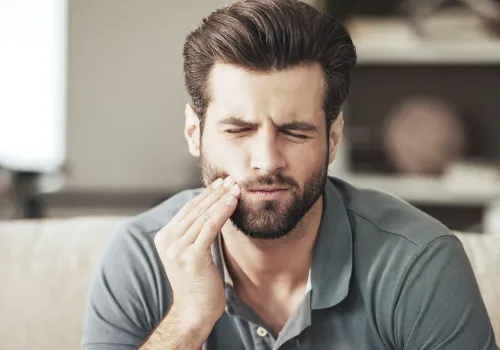
Colder temperatures can increase the sensitivity of teeth to cold and heat - not just from food and drink, but even cold air can cause toothache specific to sensitive teeth.
Aphthae
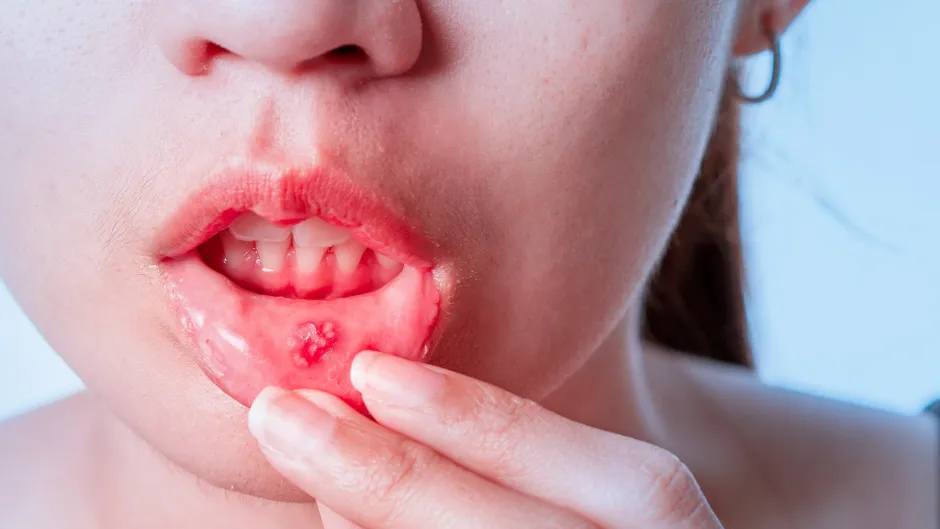
Apthae tend to peak in the winter months due to the harsh, dry air that makes soft oral tissues more susceptible to injury and infection. This is because saliva is needed to rid the mouth of bacteria and food debris that can cause infections, and the dry air leads to less saliva in the mouth. In addition, the winter season affects our immune system and makes us more susceptible to infections in the mouth such as apthaea.
Apthae can be exacerbated by contact with spicy and acidic foods, so it's a good idea to avoid them during the season if you develop sores. In addition, rinsing your mouth with a mixture of warm water and salt can help relieve painful symptoms. In very painful cases, the dentist can also cauterise the apthae using a laser under local anaesthetic. Your dentists will be happy to advise you, and products from a Swiss pharmacy such as Pyralvex or Negatol can also help in certain situations.
Jaw pain
Cold weather can cause your joints and muscles to tense up - including those in your jaw area. If you suffer from temporomandibular joint (TMJ) disorder, this can aggravate the problem. To relieve jaw discomfort or TMJ in cold weather, keep warm and consider using a scarf or other covering to keep your jaw area in particular warm.
Tips for the winter:
Replace your toothbrush every three to four months and after an illness to prevent re-infection
Drink plenty of water and eat a tooth-friendly diet
Contact your dentist if you have any symptoms or concerns
Sources:
"Winter Tips for a Healthy Mouth: Dealing with Common Winter Mouth Woes," Colgate.com, https://www.colgate.com/en-us/oral-health/mouth-sores-and-infections/winter-tips-for-a-healthy-mouth-dealing-with-common-winter-mouth-woes, accessed Feb. 16, 2021
"Winter Mouth Health Tips," SmileMichigan.com, Michigan Dental Association, https://www.smilemichigan.com/the-smile-connection/winter-mouth-health-tips, accessed Feb. 16, 2021
"Five Ways Winter Affects Oral Hygiene," Bright Now! Dental, posted Jan. 24, 2019, https://www.brightnow.com/blog/five-ways-winter-affects-oral-hygiene
"Winter Oral Health Tips," Dental Care of Baltimore, https://www.dentalcareofbaltimore.com/blog/winter-oral-health-tips/, accessed Feb. 16, 2021
"Cold Sores," WebMD, reviewed by Minesh Khatri, M.D., Dec. 23, 2019, https://www.webmd.com/skin-problems-and-treatments/understanding-cold-sores-basics#1
"Gum Infections and Wintertime," QC Dental, posted April 2016, https://www.qcdental.com.au/articles/2016/4/1/winter-gums
"What Causes Canker Sores During Winter?" Stellar Kids Dentistry, https://www.stellarkids.com/what-causes-canker-sores-during-winter/